Another wonderful year at Lipotype has come to an end, and we are excited to share our Lipotype 2025 wrap-up with you! From internal developments to international events, team growth, and moments spent together as a team, 2025 was filled with meaningful milestones. Throughout the year, we continued working toward a shared goal of using the power of lipidomics to support scientists. Let’s take a closer look at what 2025 looked like at Lipotype, captured through key numbers and keywords.
Word of the Year: Focus
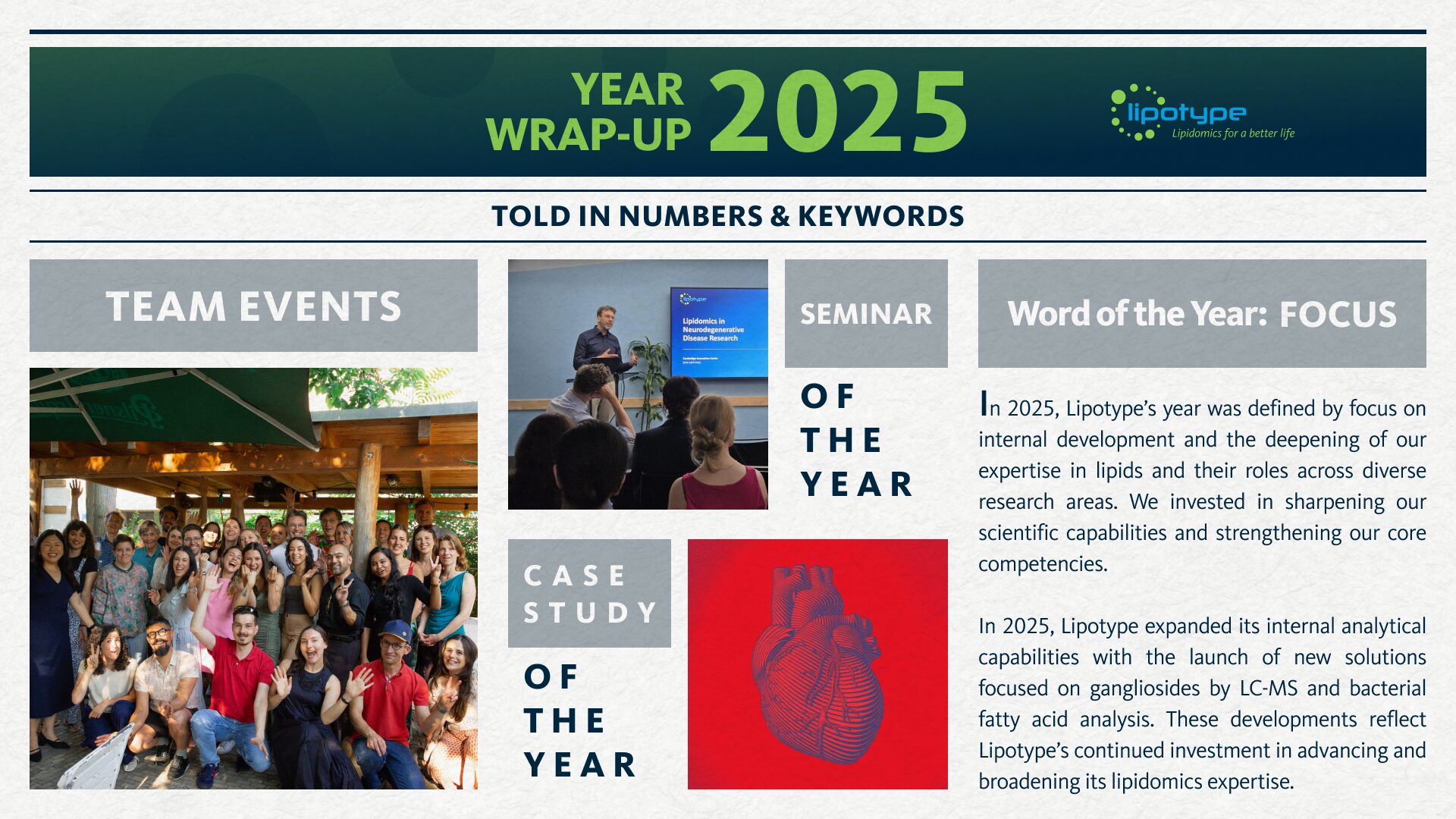
In 2025, Lipotype’s year was defined by focusing on internal development and deepening our expertise in lipids and their roles across diverse research areas. We invested in sharpening our scientific capabilities and strengthening our core competencies.
In 2025, Lipotype expanded its internal analytical capabilities with the launch of new solutions focused on gangliosides by LC-MS and bacterial fatty acid analysis. These developments reflect Lipotype’s continued investment in advancing and broadening its lipidomics expertise.
The focus on development and customer support was reflected in our publication record as well. Out of 249 peer-reviewed publications published in scientific journals to date, 24 were published in 2025 alone. The year’s publications were especially concentrated on our key areas of expertise, with the strongest representation in neuroscience (17%), dermatology (13%), and metabolic disorders (13%), followed by oncology and cardiovascular research.
A Number Lipotype is Proud Of: 60 Articles
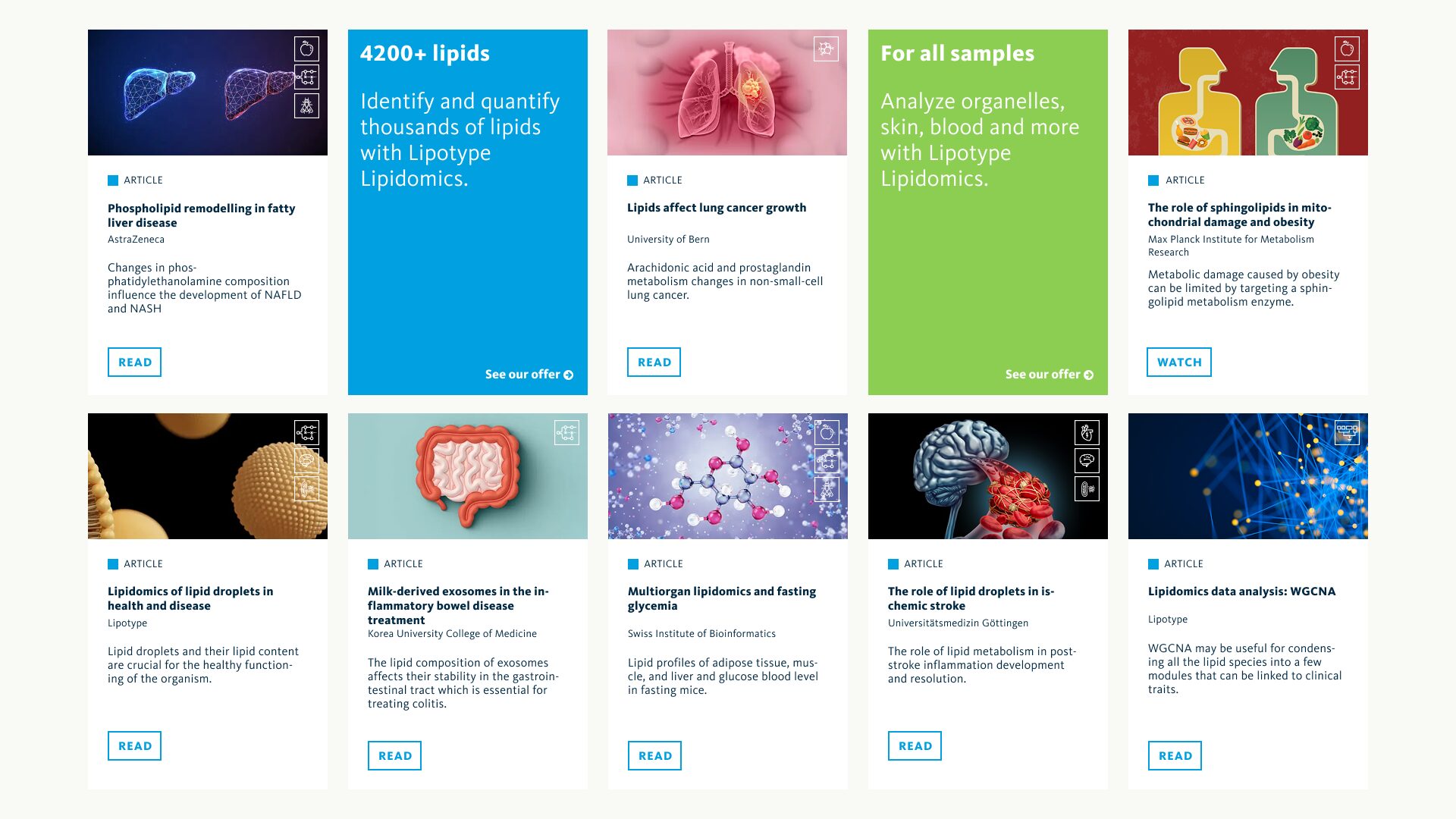
Throughout the year, Lipotype published articles highlighting how lipidomics supports research across a wide range of fields. As of 2025, a total of 60 articles have been successfully released so far. Looking ahead, Lipotype will continue its mission to increase the global knowledge about the impact and possibilities of lipidomics through article publications and other outreach efforts. Make sure to follow Lipotype on social media channels and subscribe to our newsletter to stay up to date with our latest topics!
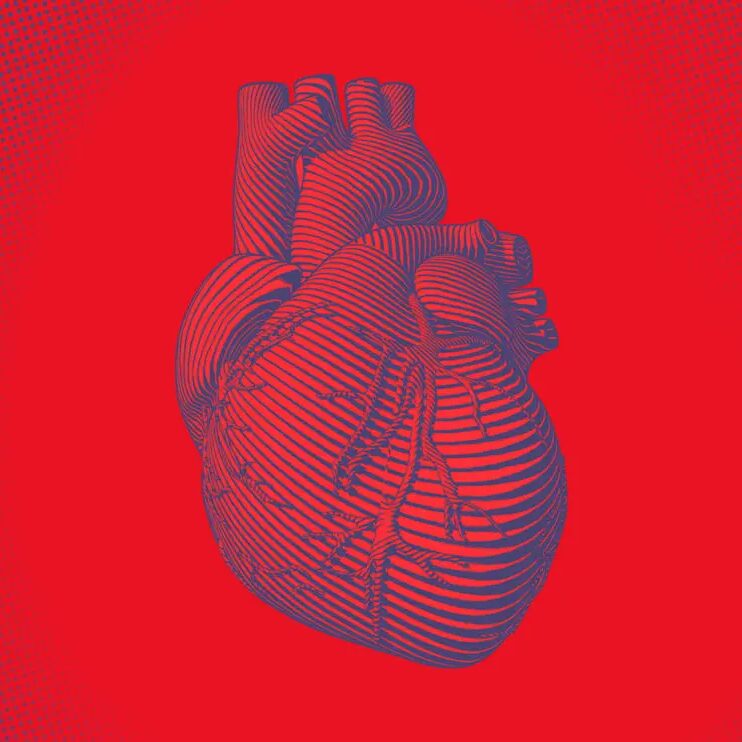
Article of the Year: Lipidomics of Cardiovascular Diseases
We were excited to see that the article titled “Lipidomics of Cardiovascular Diseases” received the most attention from readers in 2025. It covers various cardiovascular conditions, highlighting distinct blood plasma lipid profiles, lipidomics-based risk scores, and related analyses.
Another absolute champion in the article sector was the data analysis topic, as seen in articles such as “Lipidomics Data Analysis: Enrichment Analysis” and “Lipidomics Data Analysis: OPLS-DA.” The enrichment analysis article demonstrates how enrichment analysis can be applied to lipidomics datasets, outlines different analytical approaches tailored to lipidomics data, and provides a practical context for interpreting the results.
Want to read the article of the year?
Access the article “Lipidomics of Cardiovascular Diseases” with just one click!
Lipid Fact of the Year
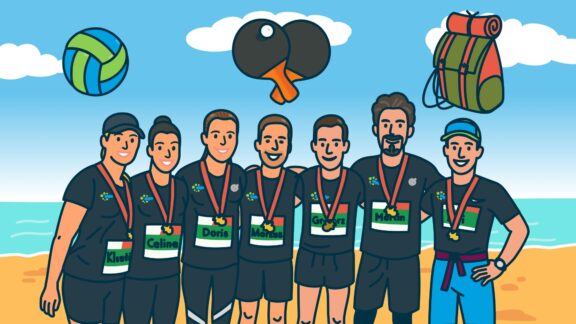
Lipotype regularly publishes corporate blog posts on its career center, featuring our employees, company culture, and other aspects of non-scientific life at Lipotype. Each post introduces a lipid-related concept or scientific fact. Readers showed particular interest in a feature on leukotrienes, which appeared in a post covering the company’s sports activities and a team retreat in nature.
Which lipid is responsible for the itchiness from a mosquito bite?
Leukotrienes are part of a group of signaling lipids called eicosanoids. They’re not solely to blame, but they do play a role in non-histaminergic pathways that contribute to the itch that follows a mosquito bite.

The Number That Connected Audiences Online: 5 webinars
At Lipotype, we believe in the power of lipidomics across diverse research fields and are committed to sharing our knowledge with the global scientific community. One way we do this is by hosting webinars that bring researchers together to exchange knowledge.
In 2025, Lipotype hosted five webinars covering a wide range of topics, including lipidomics data analysis, skin lipidomics, neuroscience, and so forth, with speakers from Lipotype. Lipotype hosted its 14th lipidomics webinar in 2025, focusing on lipid droplets, and also organized webinars through Korea’s leading scientific platform, BRIC.
Each webinar included a dedicated question and answers session, allowing participants to ask questions and engage directly with our experts. Through these discussions, Lipotype shared practical lipidomics expertise and addressed key questions from the community. We look forward to continuing to share the impact of lipidomics with researchers worldwide.
Seminar in 2025: Lipidomics in Neurodegenerative Disease Research
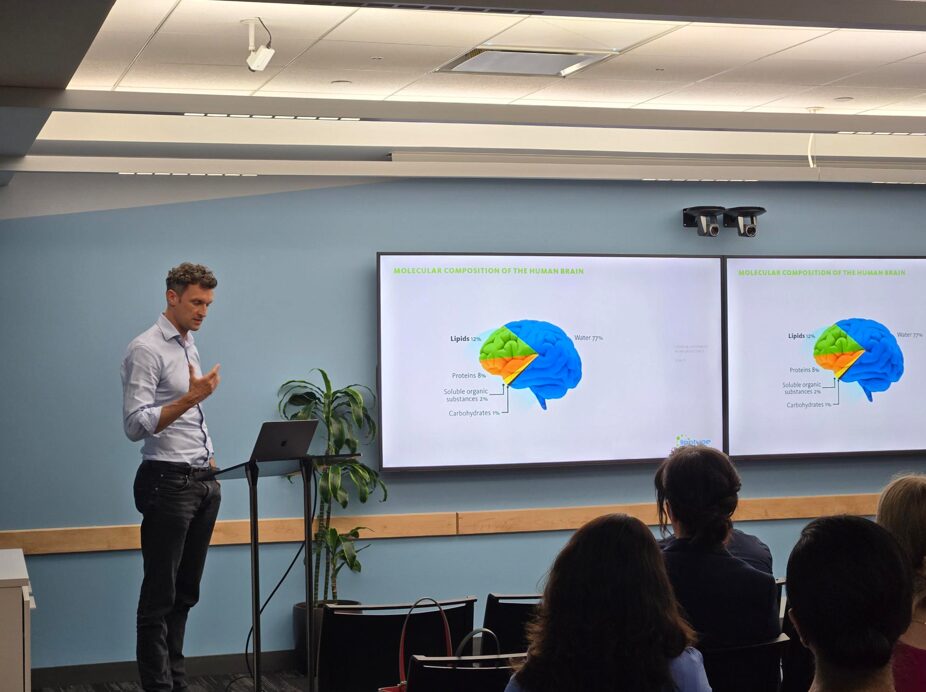
In October 2025, Lipotype hosted an in-person event, “Lipidomics in Neurodegenerative Disease Research”, a seminar held in Boston, USA. Four expert speakers, including Dr. Christian Klose, Lipotype’s CTO, presented on neurodegenerative diseases and the role of lipidomics in advancing research in this field. Beyond the scientific discussions, the seminar also offered networking experiences, including one where participants could join a lipid rafting activity on the river! The event provided opportunities to meet professionals and exchange ideas.
The Number That Brought Us Together: 3 Team Events

In addition to many smaller team gatherings, Lipotype organized three official team events in 2025: the summer party, the team retreat in the Spree Forest in Germany, and the Christmas party.
To begin the year’s highlights, at Lipotype’s 2025 summer party, team members working from across the world came together to enjoy the team spirit, accompanied by the warm breeze of a summer’s day. Following this, during the team retreat in the Spree Forest, our team enjoyed canoeing during the day and singing and dancing at night to live music from Lipotype’s in- house Lipoband. Finally, at the 2025 Christmas party, the Lipotype team enjoyed curling and visited the Christmas market together. Together, these team events brought colleagues from around the world together to connect, share experiences, and enjoy time beyond work.